 Image 1 of 3
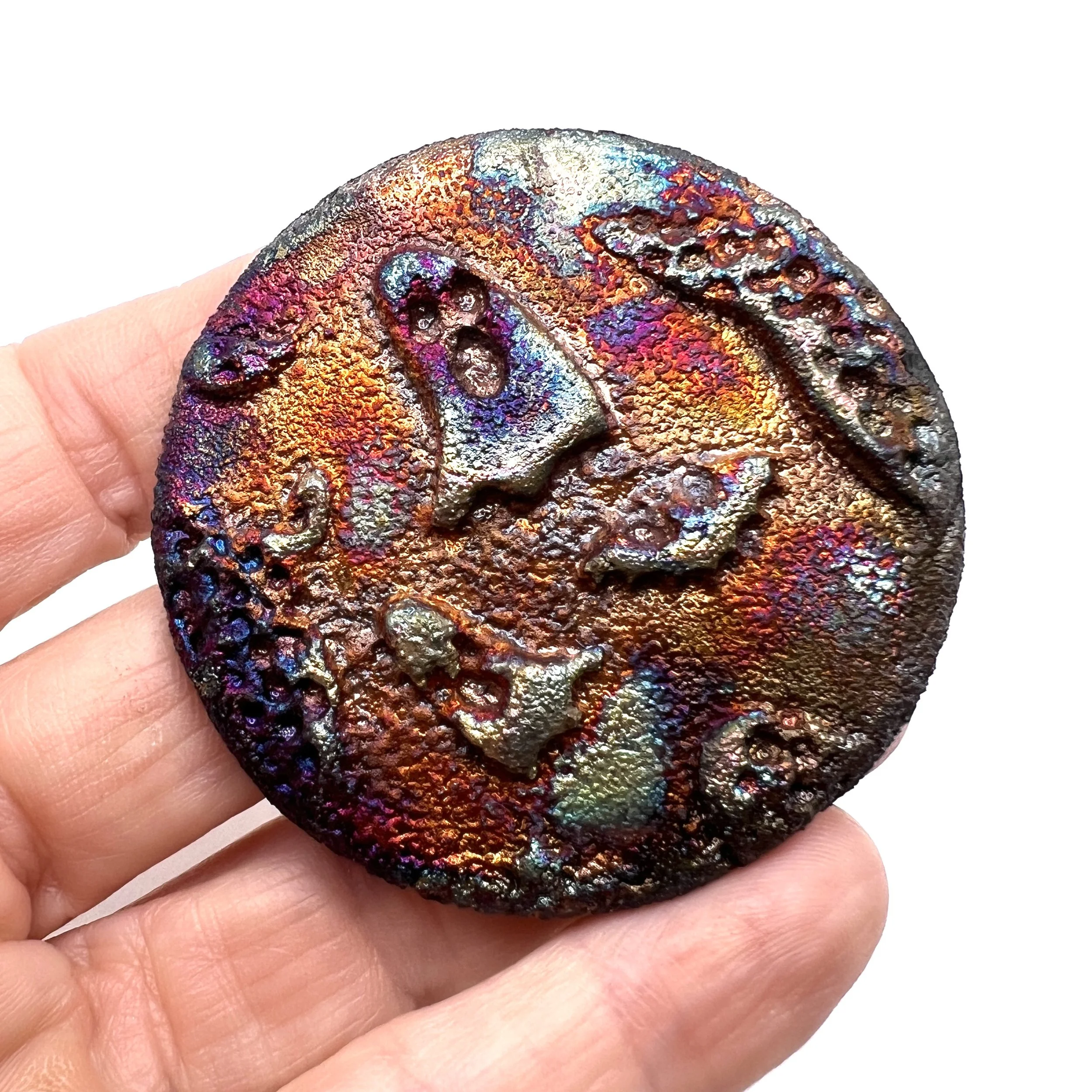 Image 2 of 3
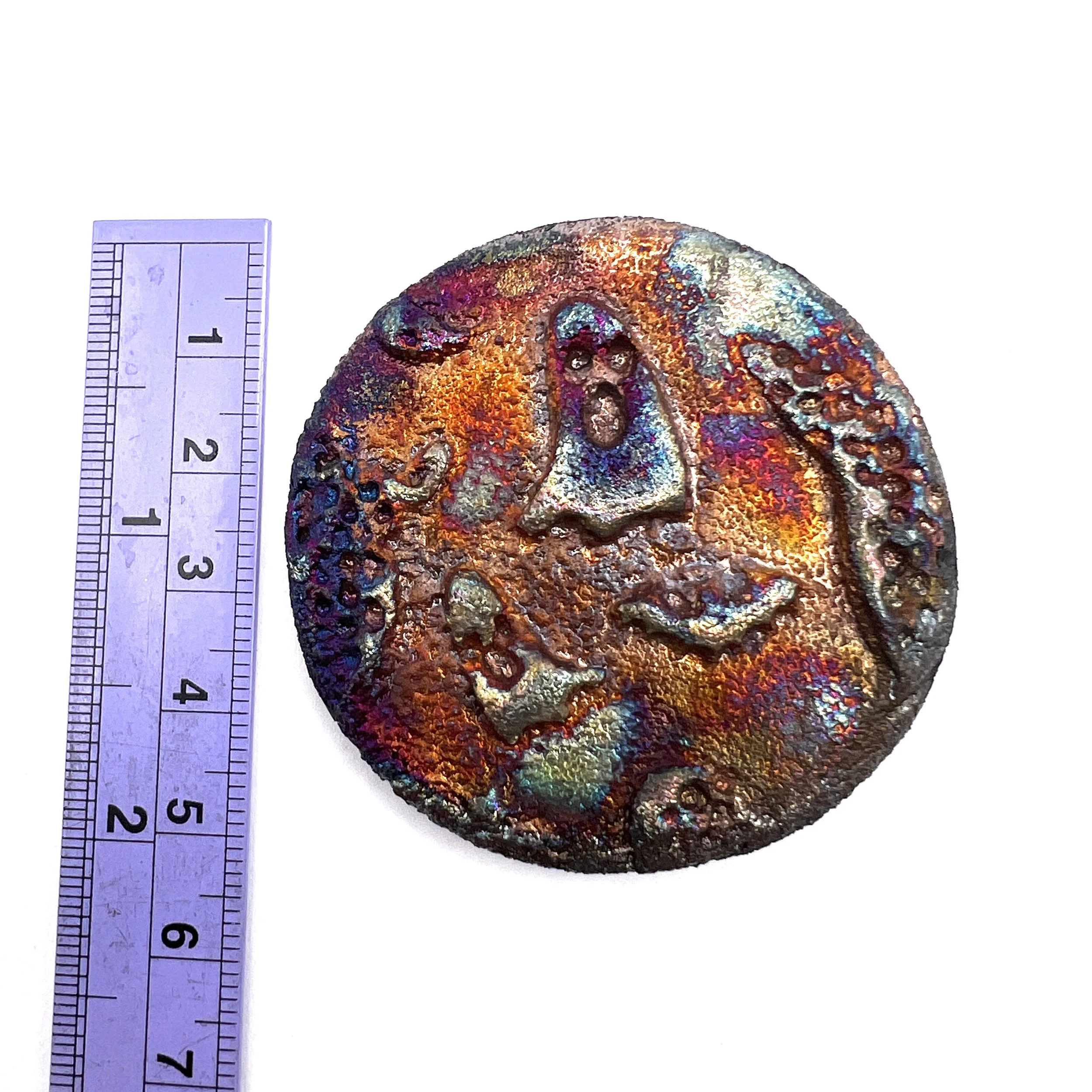 Image 3 of 3
Perfect for Halloween!
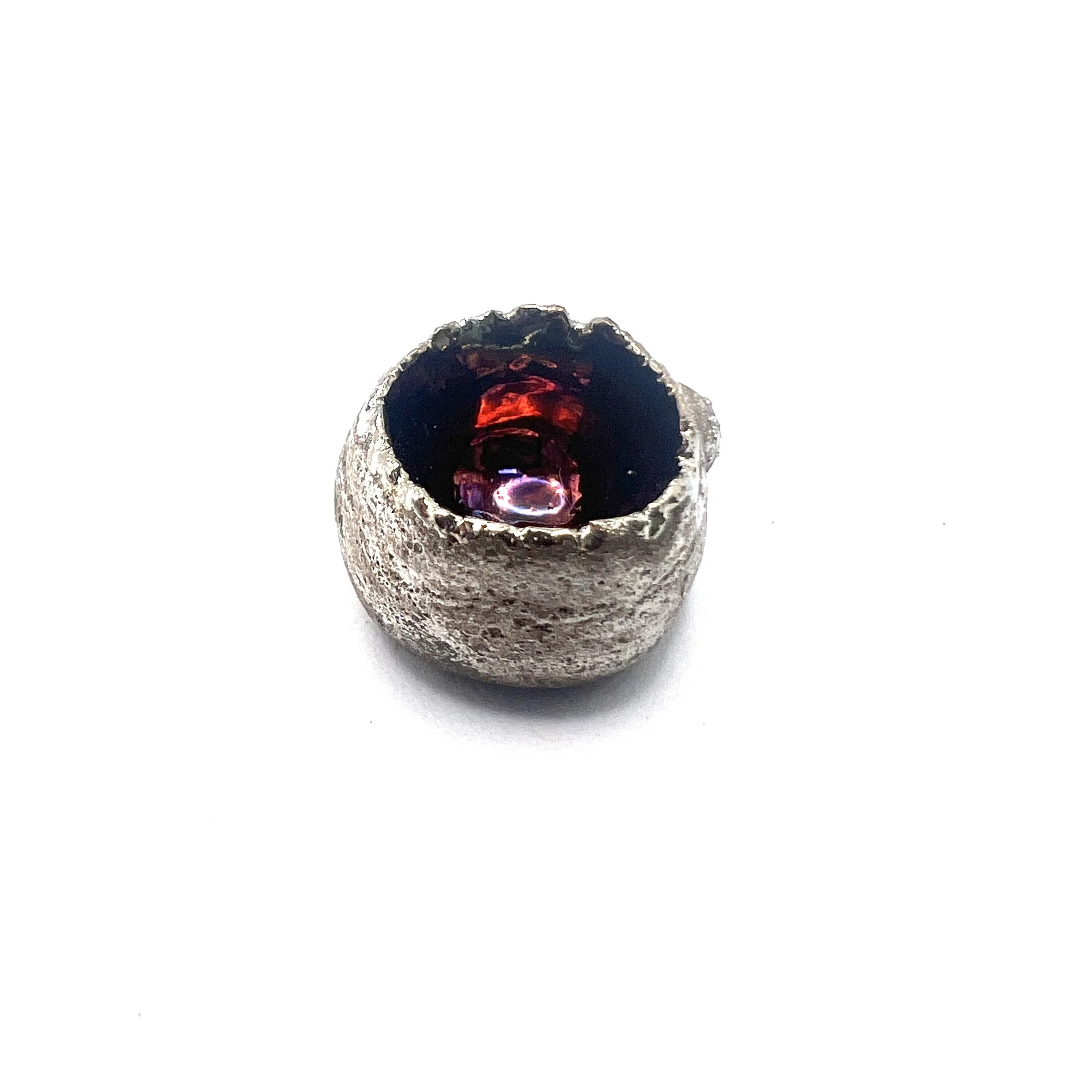
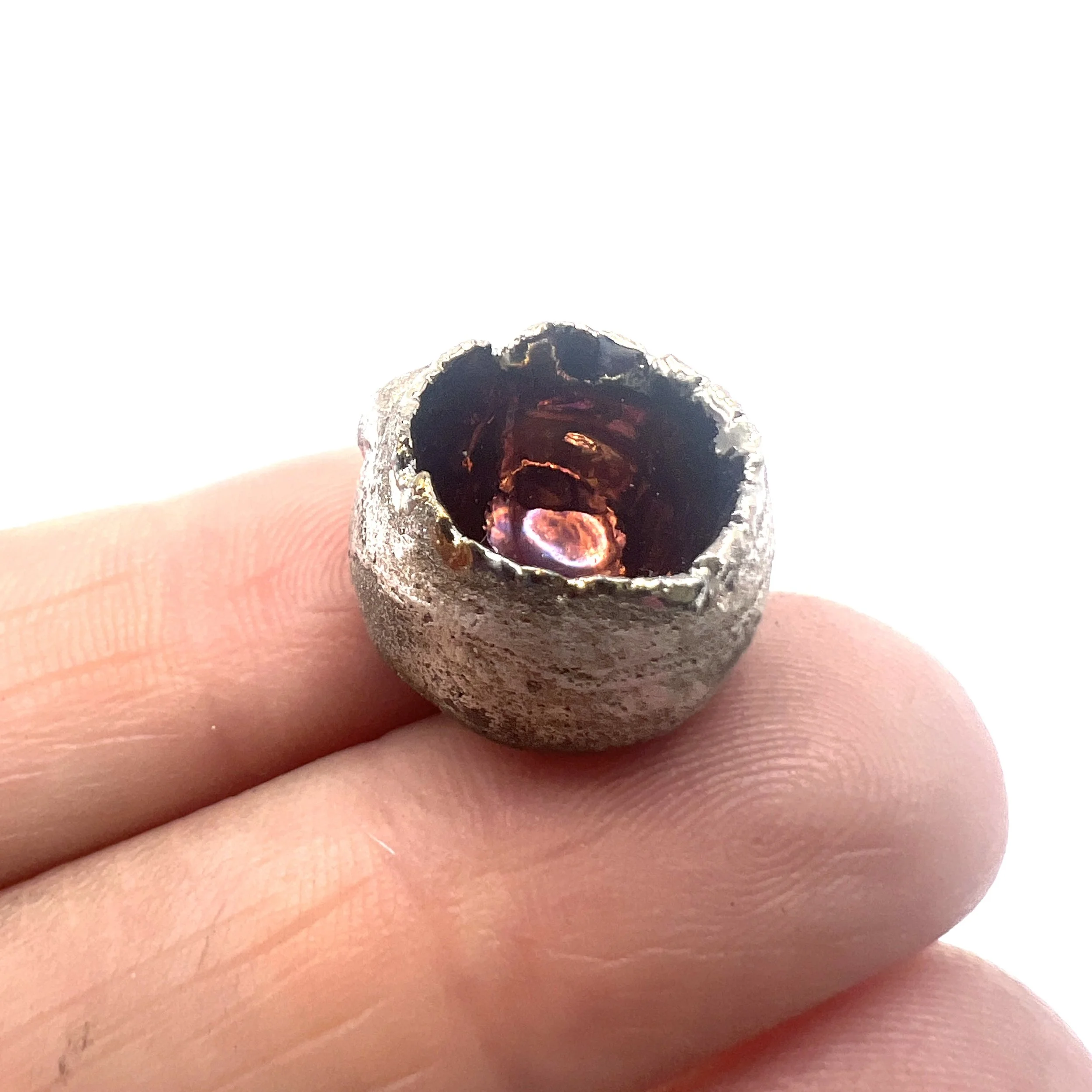
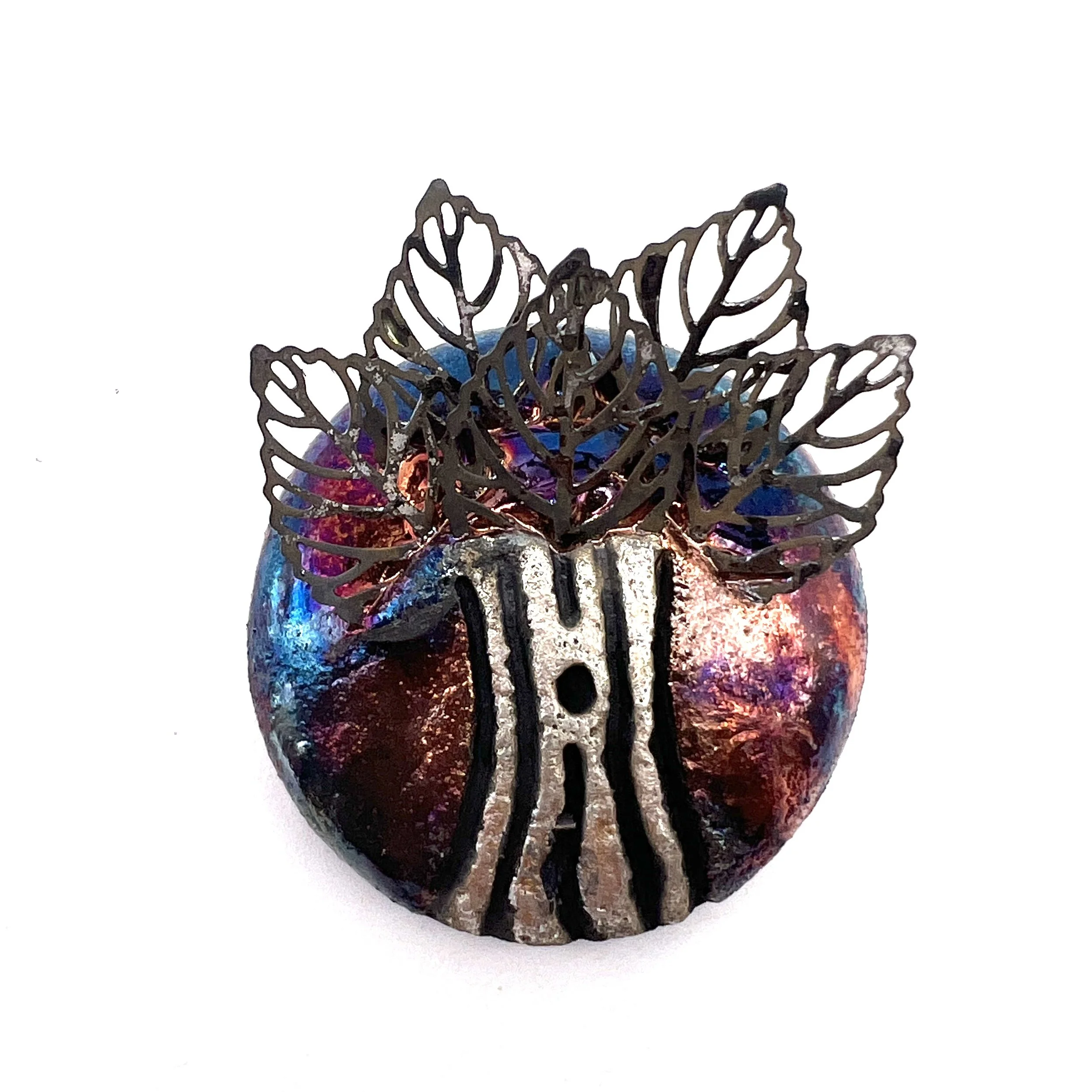
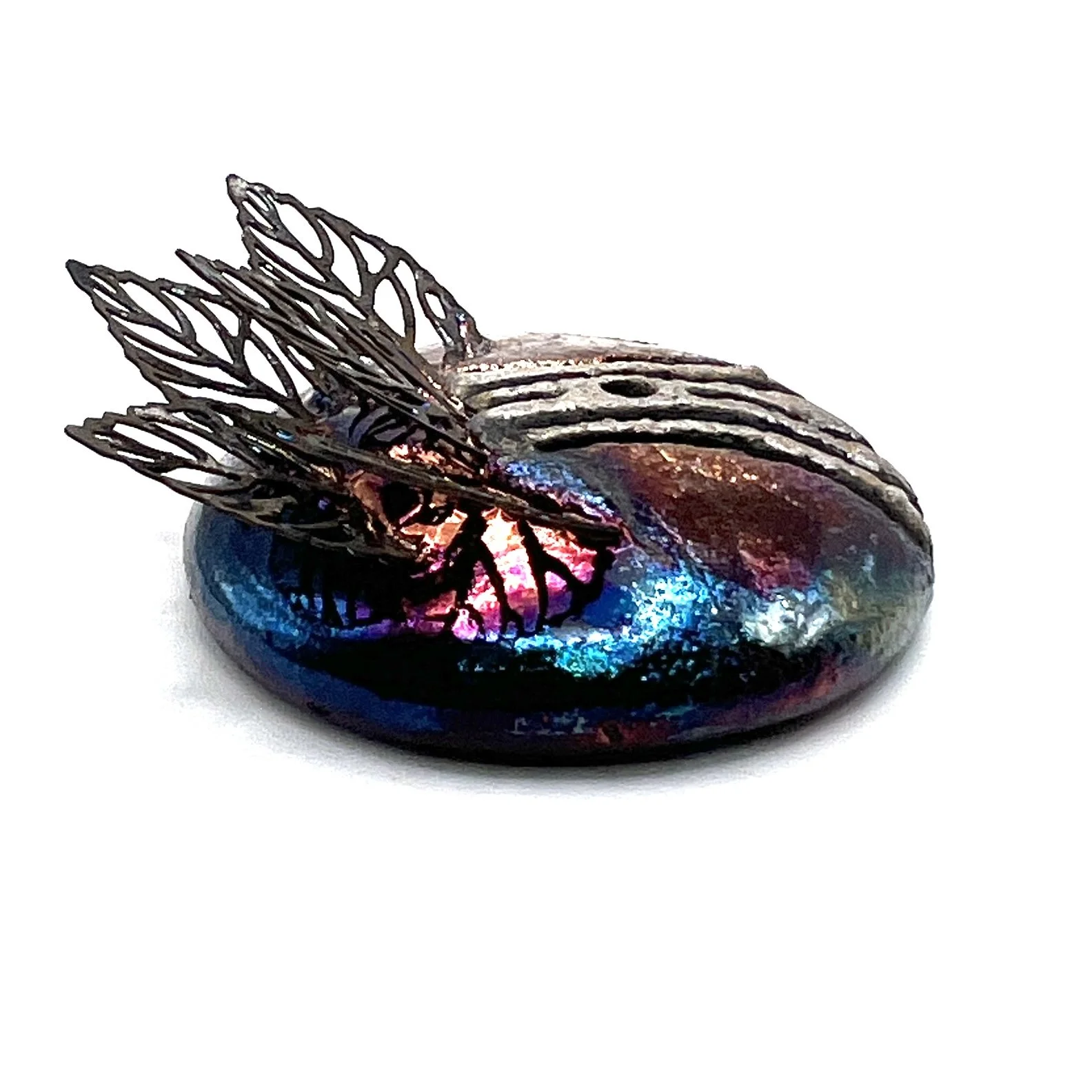
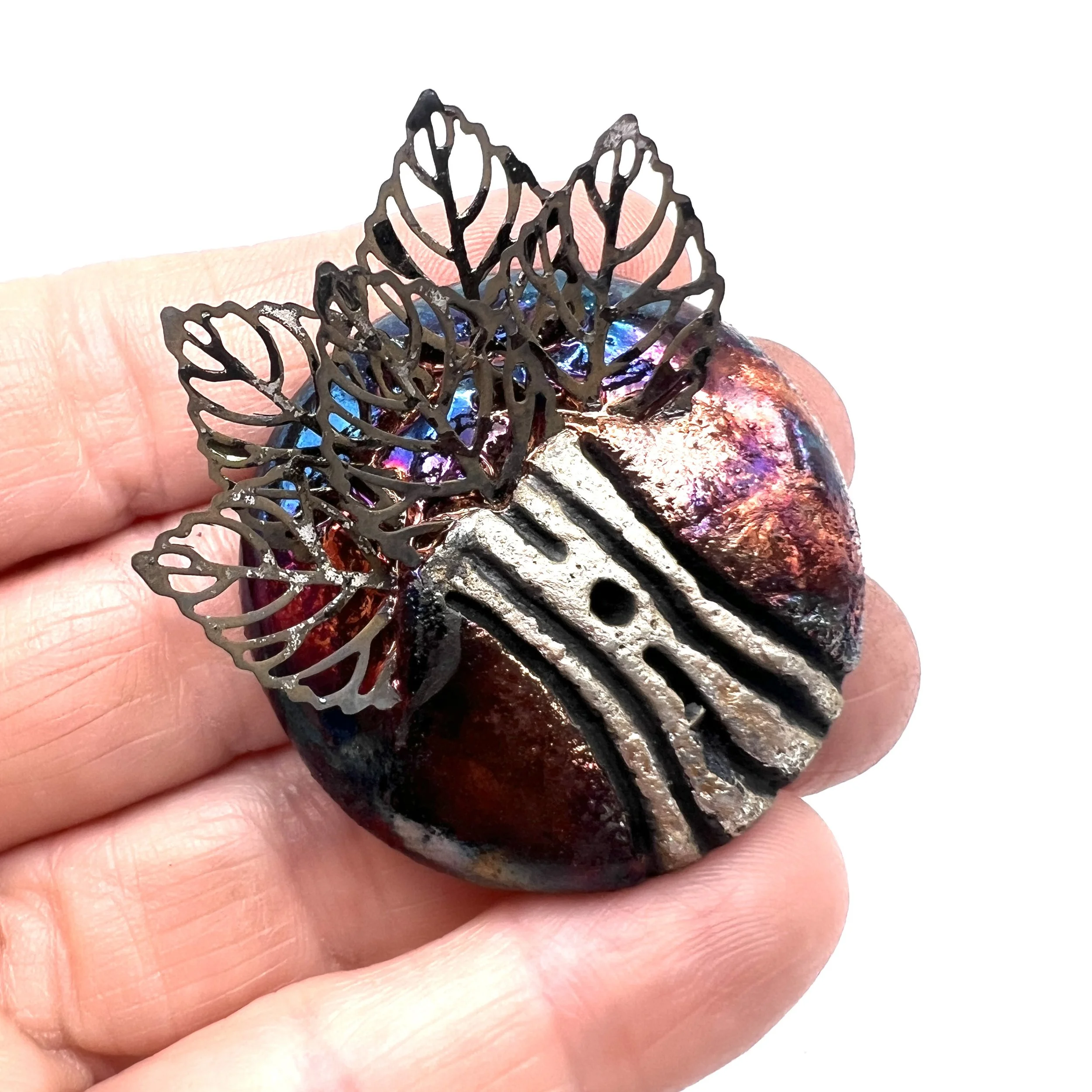
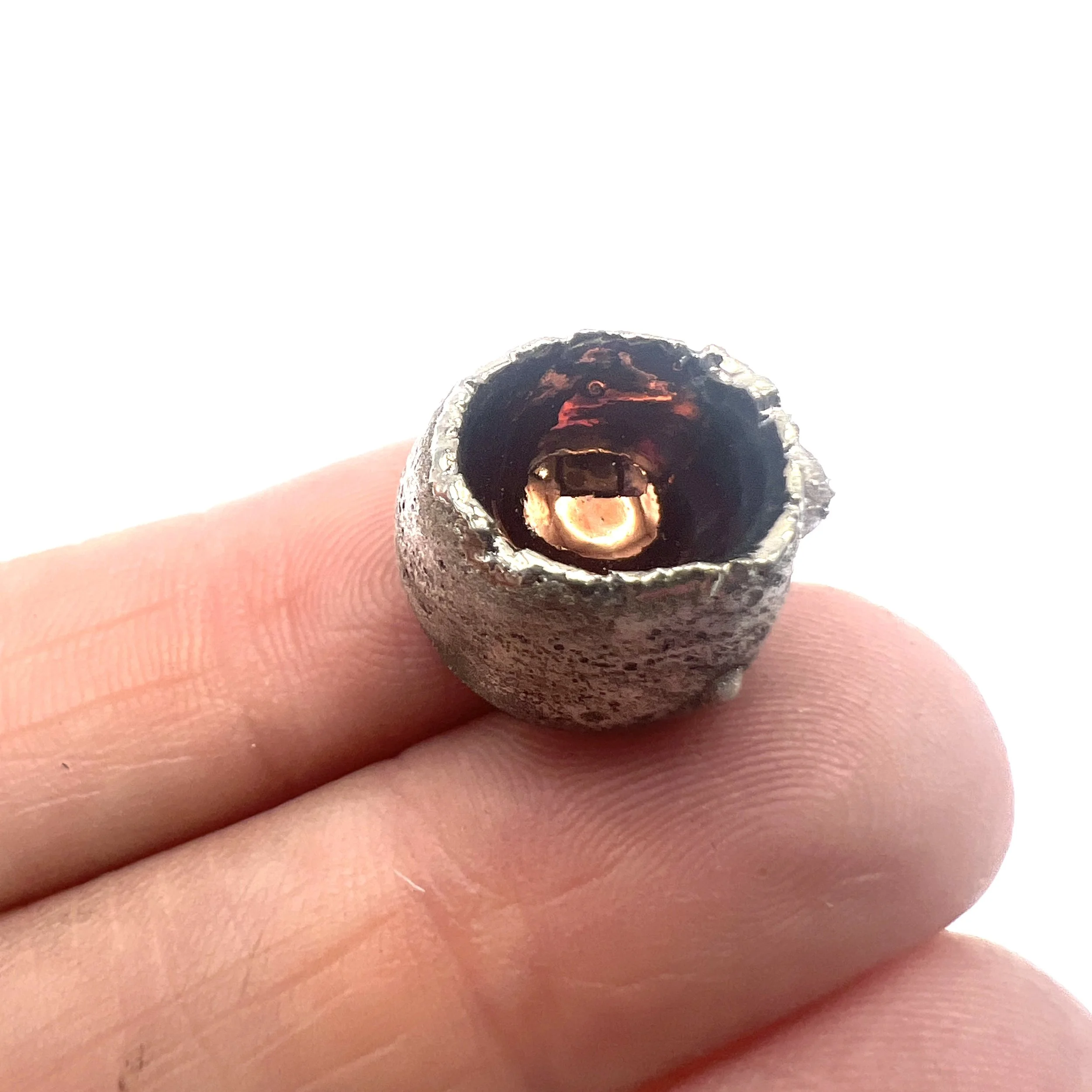
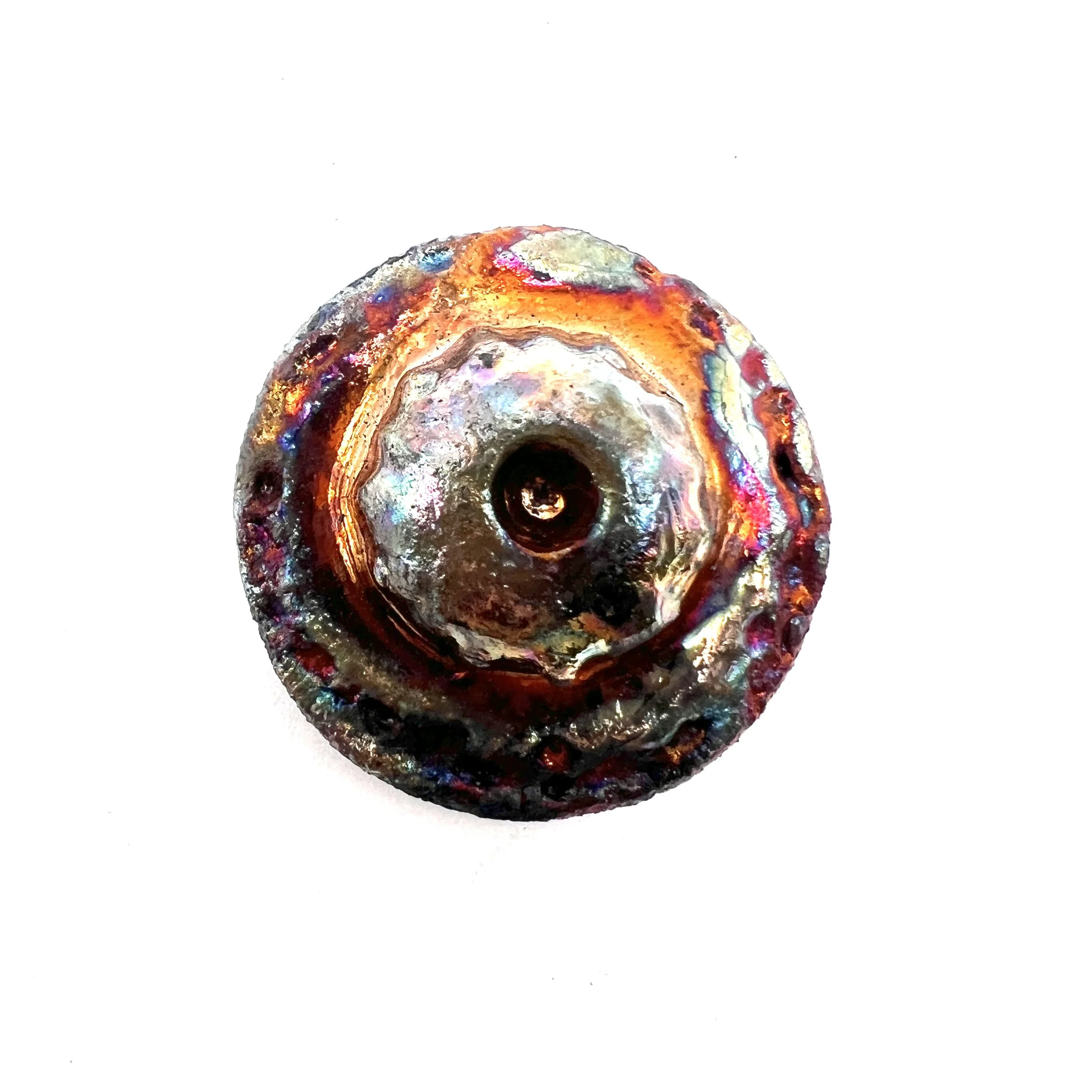
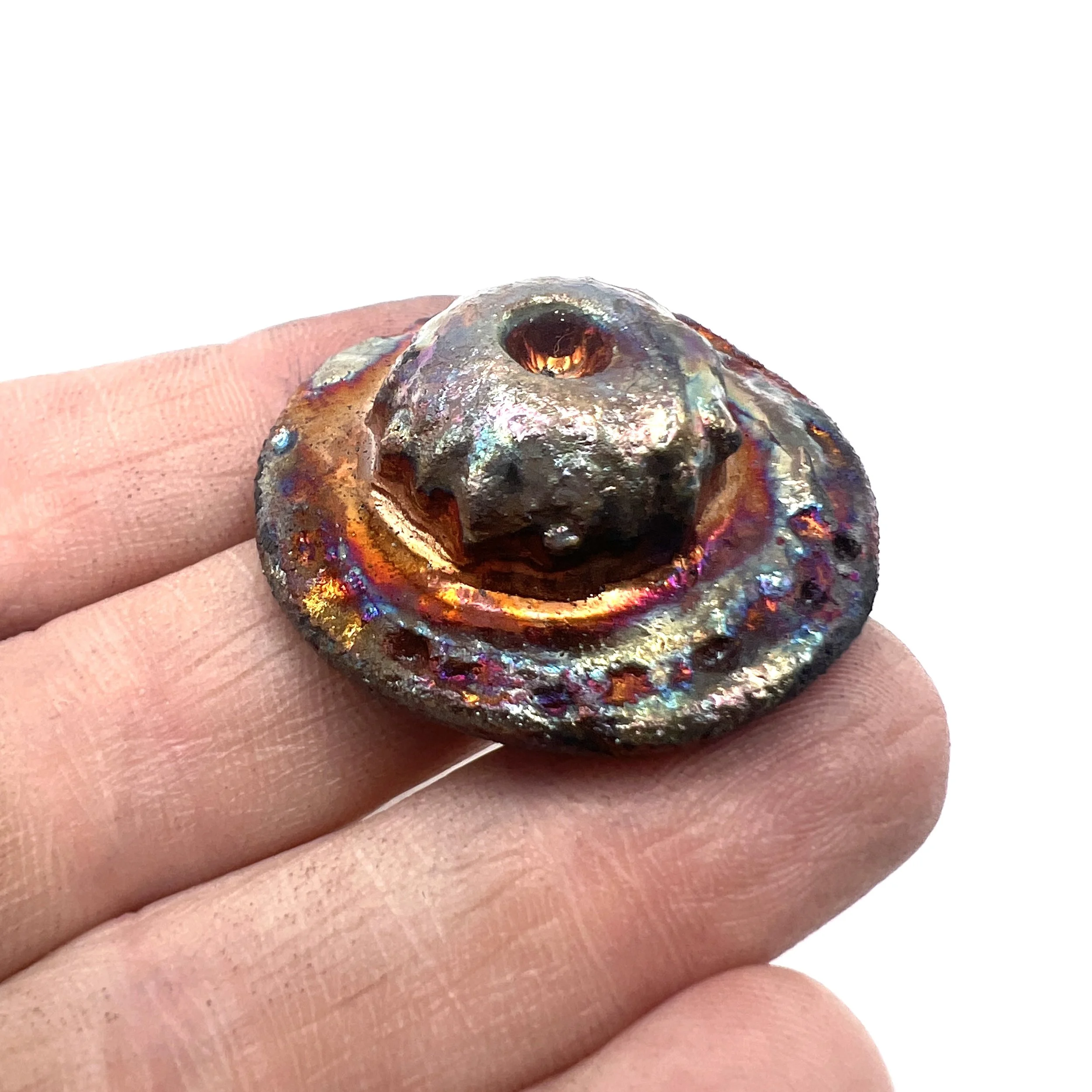
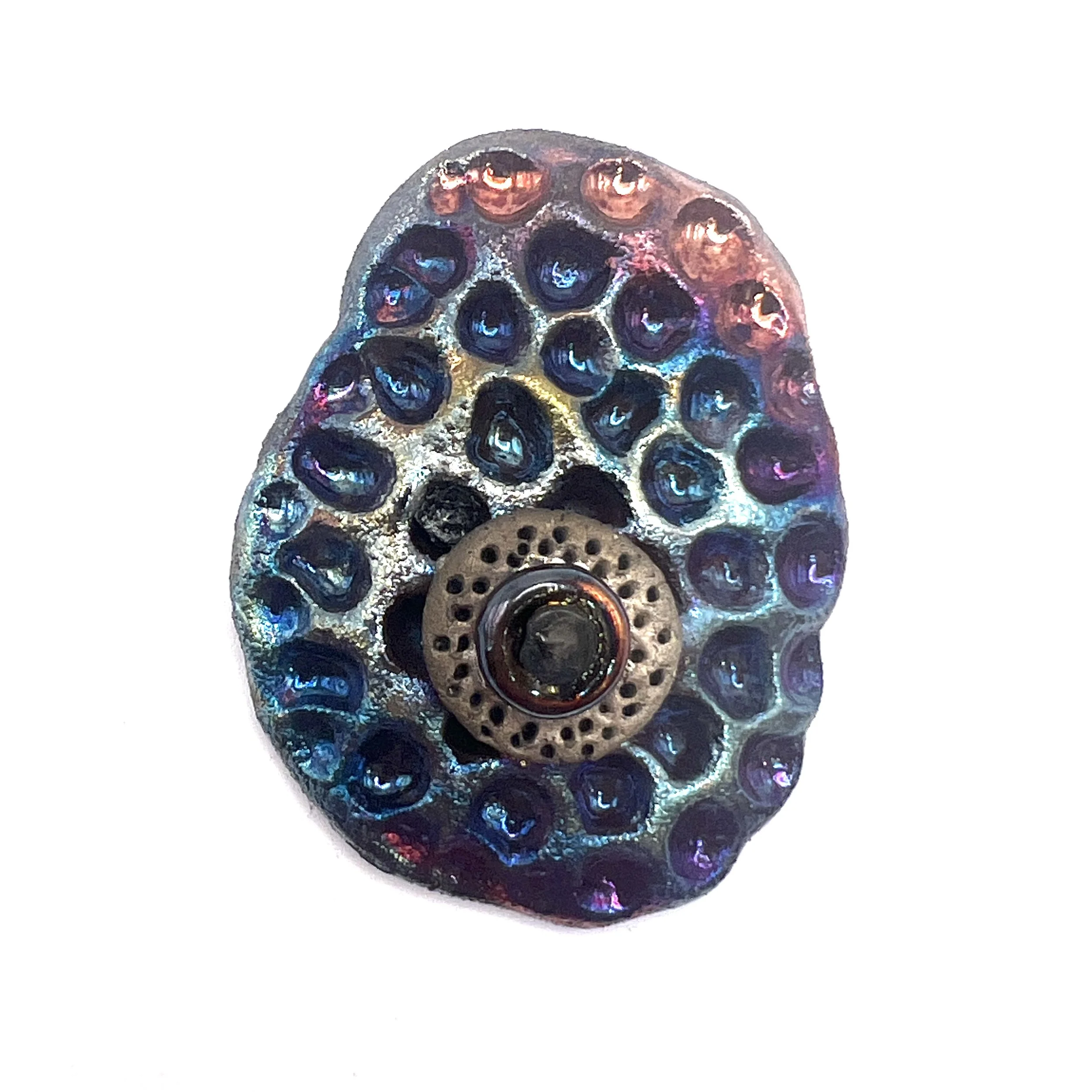
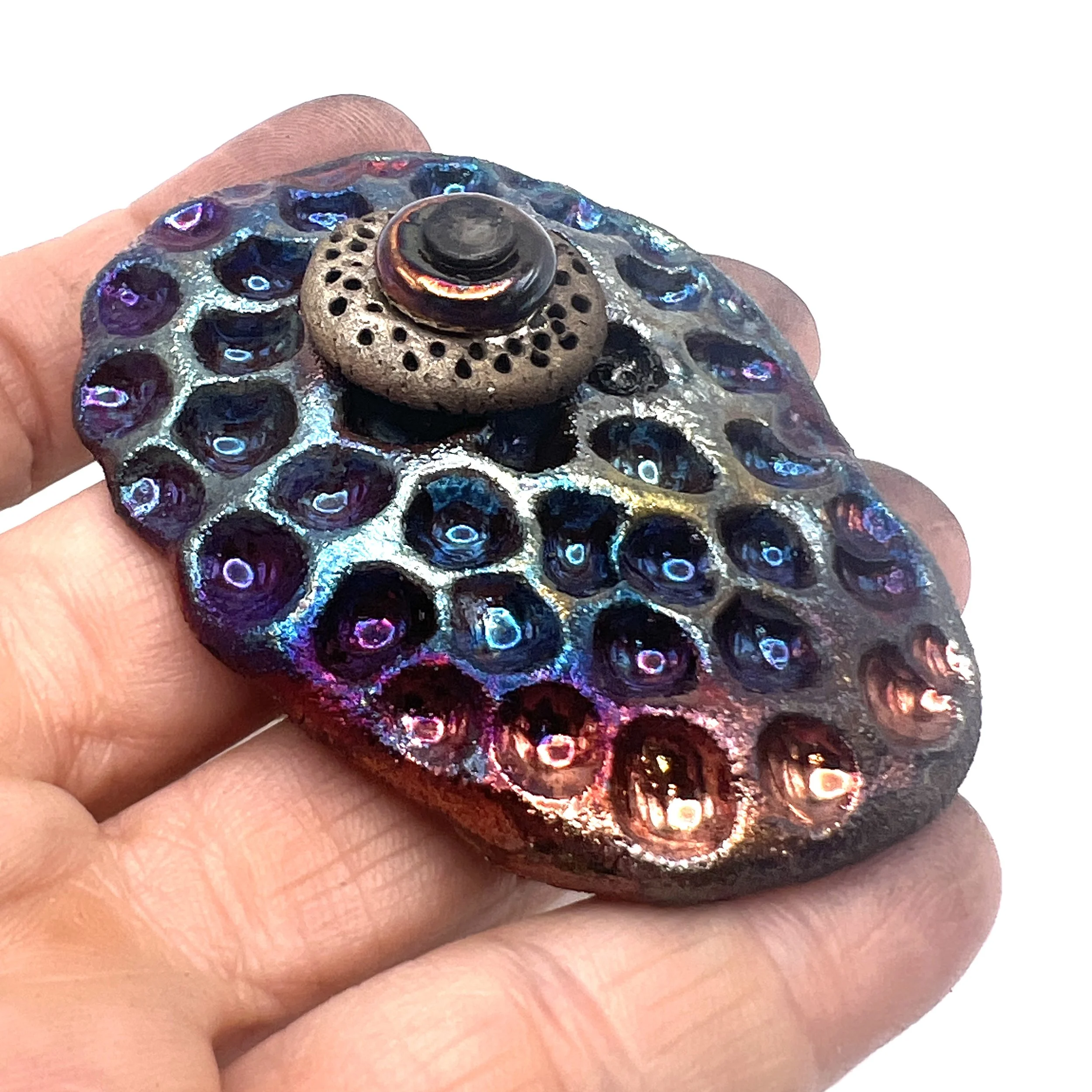
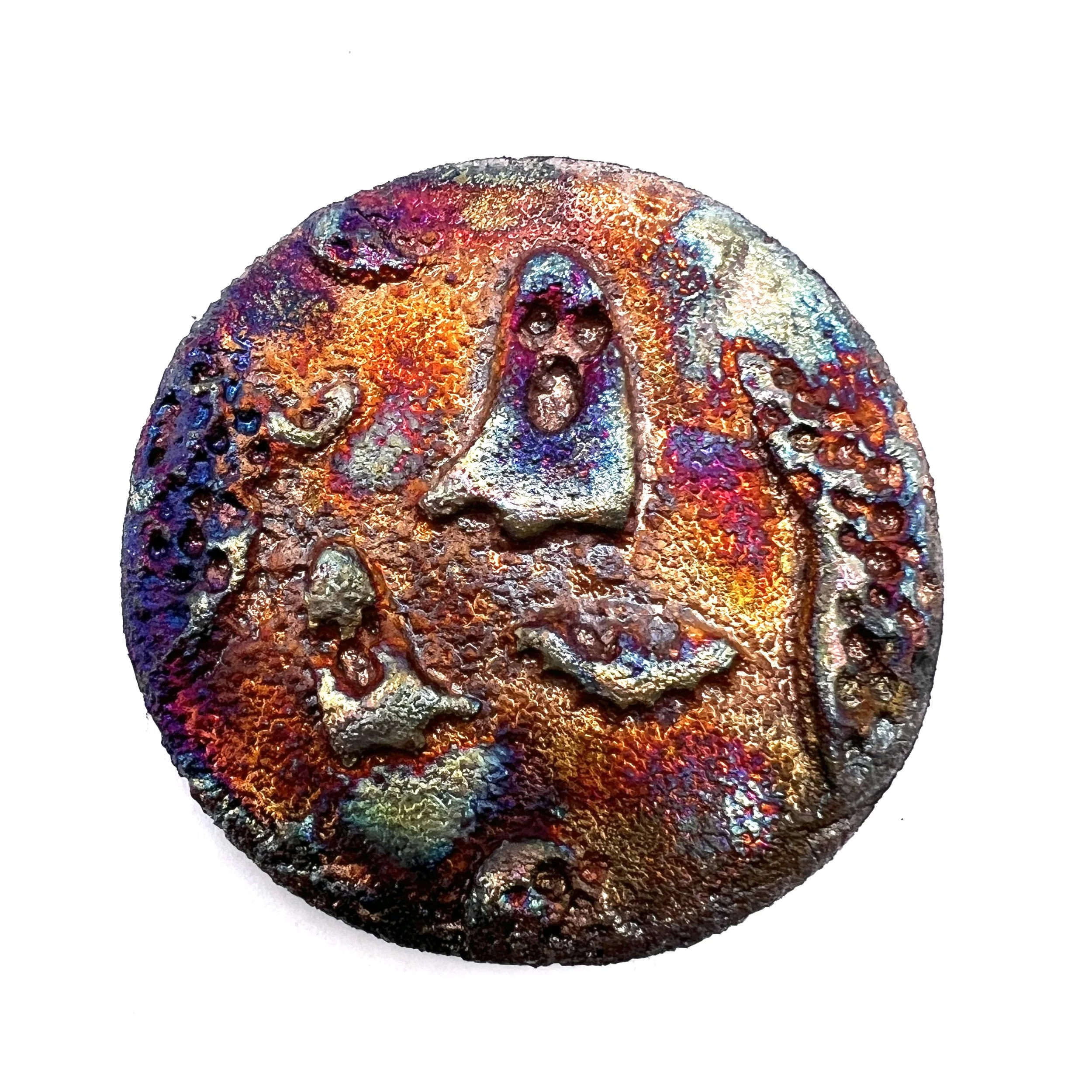
A vibrant raku ghost cabochon combines the unpredictable beauty of traditional raku firing with a whimsical, spectral silhouette—its curved, smooth surface glazed in shifting metallics, iridescent blues, fiery oranges, and deep smoky blacks that catch light from every angle; each piece is unique, showing crackle lines, luster spots, and subtle color gradients that make it ideal for pendants, brooches, or mixed-media projects, while its lightweight ceramic body and polished back simplify setting in bezels, wire wrapping, or resin bezels for one-of-a-kind jewelry and craft creations.
Use this funky handmade raku cabochon in your next creative design. Great for bead embroidery, metalsmithing, and wire wrapping!
*I handmade this cabochon out of clay
*Bisque fired, glazed, and raku fired in my studio
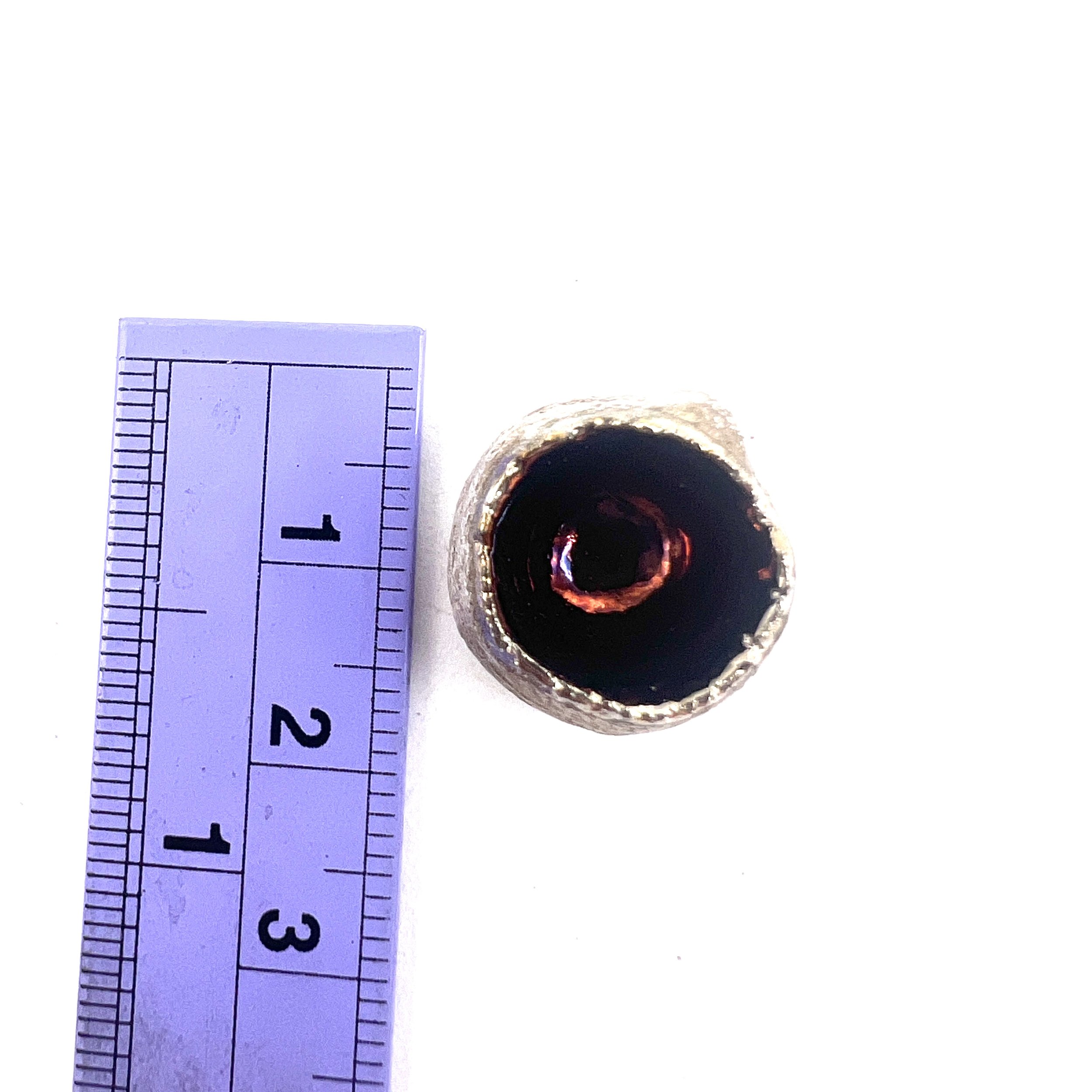
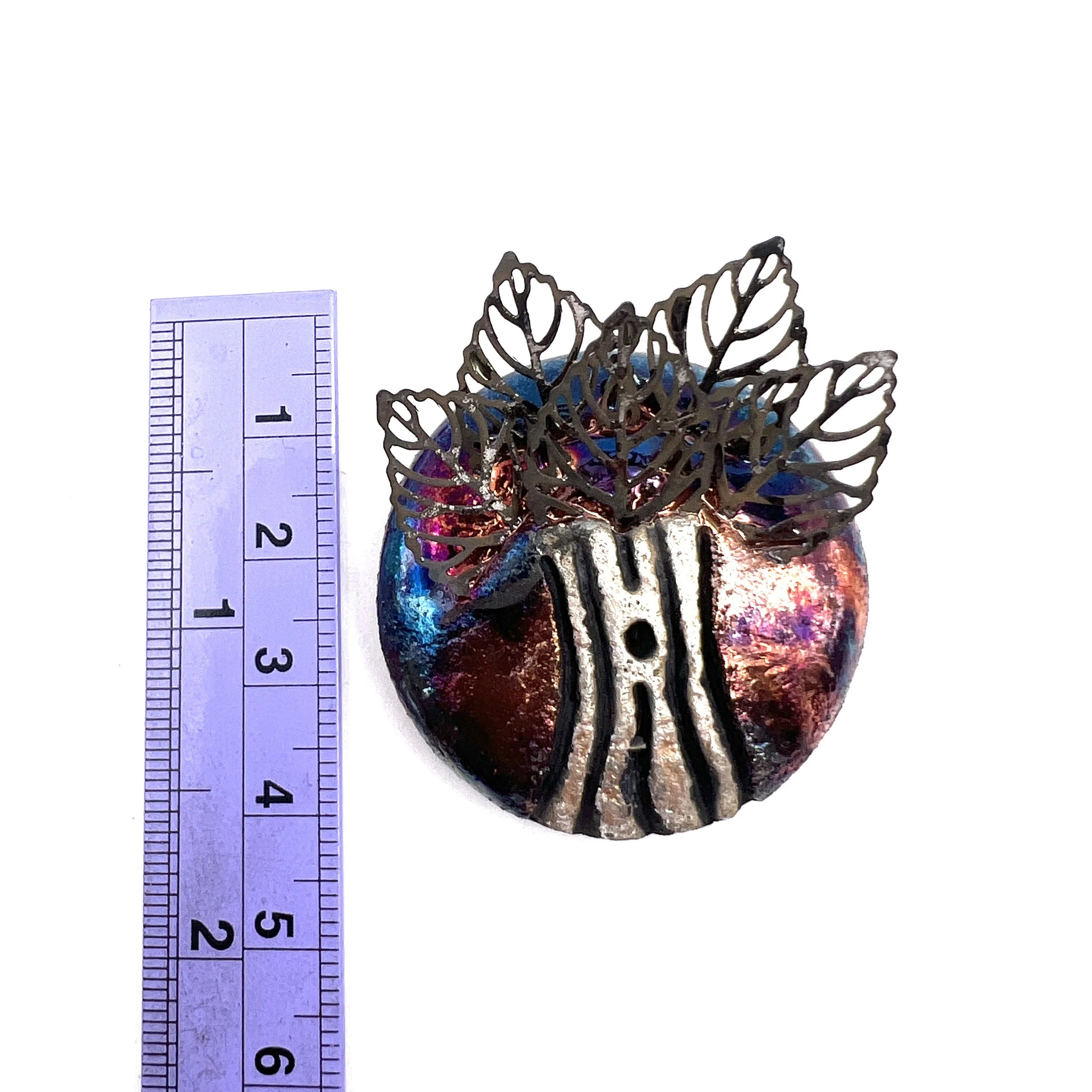
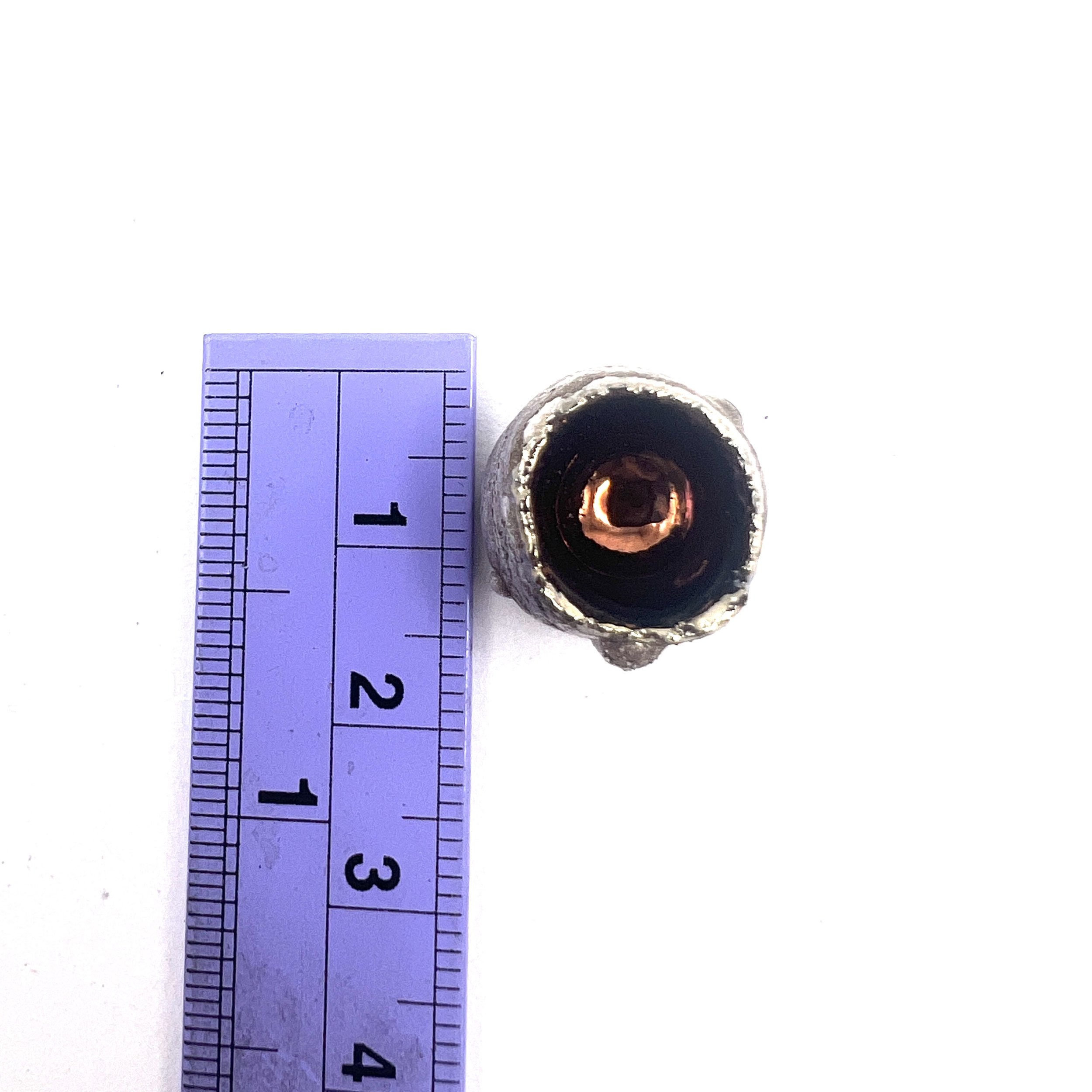
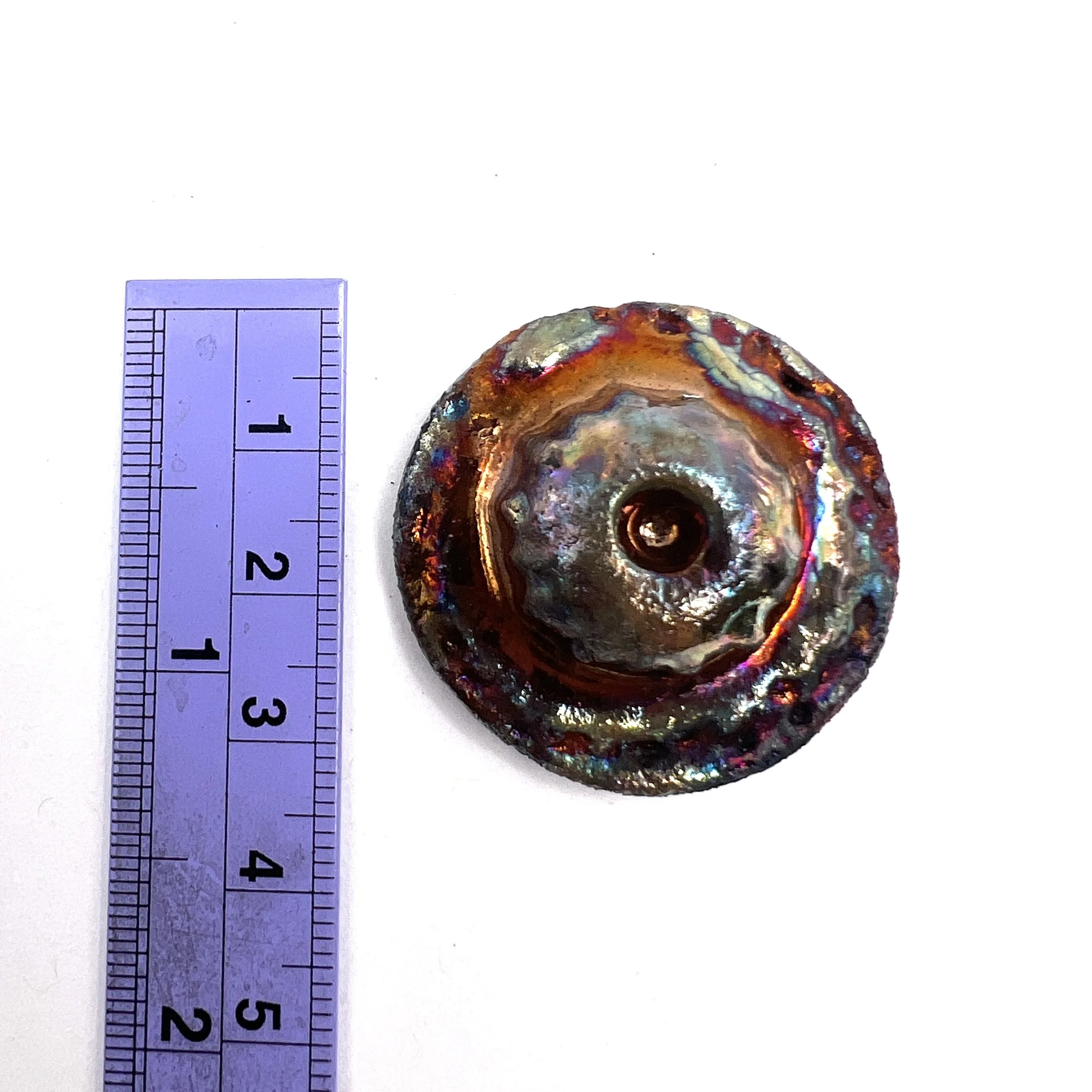
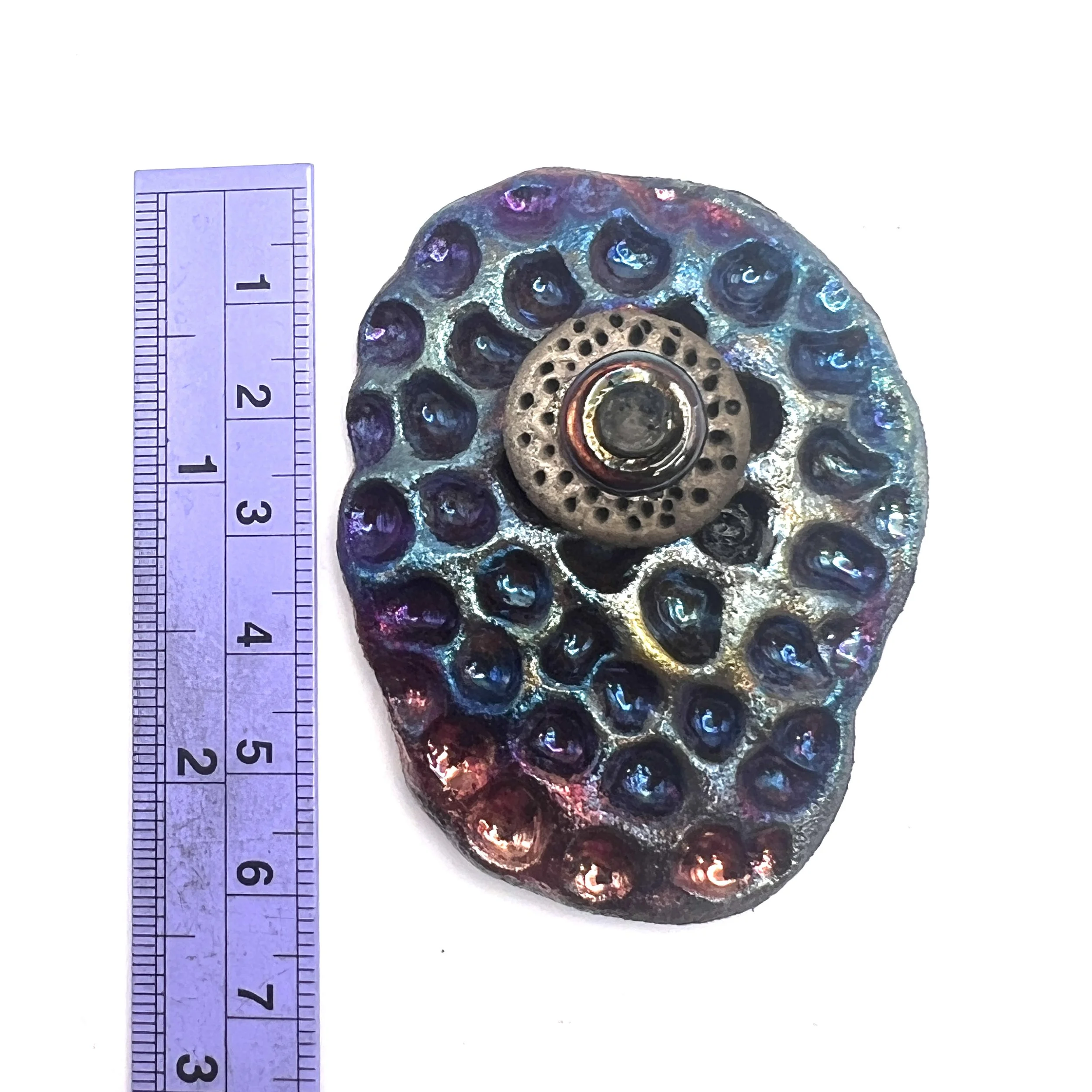
*See photo for measurements
*Signed by the artist (that's me!) on the back "MAKU"
Thanks for looking! Hope you enjoy my art!
THE RAKU PROCESS:
Raku pottery was made long ago for Japanese tea ceremonies. It was modernized later into the process you see today. This involves taking a piece of pottery that has been bisque fired and glazed then firing it in a raku kiln. The piece is then fired to about 1800 degrees F and pulled out of the kiln while still red hot then placed in a reduction chamber containing organic materials such as newspaper, sawdust, leaves, etc. The materials catch on fire, the lid is put on very quickly and carefully. The fire wants oxygen to keep going and flames often shoot across a piece, pulling oxygen from the glaze. The matte black color (a very unique characteristic of raku) is created where there is no glaze. It's so exciting and creates one of kind colors which are very hard to duplicate. Please note that raku is not food safe nor is it intended to hold liquid.
Caring for your raku piece:
Raku is fragile, please handle with care. Keep your raku in an air tight container or zippered bag when storing. Do not swim or leave your piece in water. Keep your piece out of direct sunlight, as it will affect the glaze. I wash my pieces very well, but on occasion you will see some ash residue that will rub off from the parts that are not glazed. This will come out of your clothing with no problem, but if it concerns you, you can paint clear nail polish on the back of a piece.
Perfect for Halloween!
A vibrant raku ghost cabochon combines the unpredictable beauty of traditional raku firing with a whimsical, spectral silhouette—its curved, smooth surface glazed in shifting metallics, iridescent blues, fiery oranges, and deep smoky blacks that catch light from every angle; each piece is unique, showing crackle lines, luster spots, and subtle color gradients that make it ideal for pendants, brooches, or mixed-media projects, while its lightweight ceramic body and polished back simplify setting in bezels, wire wrapping, or resin bezels for one-of-a-kind jewelry and craft creations.
Use this funky handmade raku cabochon in your next creative design. Great for bead embroidery, metalsmithing, and wire wrapping!
*I handmade this cabochon out of clay
*Bisque fired, glazed, and raku fired in my studio
*See photo for measurements
*Signed by the artist (that's me!) on the back "MAKU"
Thanks for looking! Hope you enjoy my art!
THE RAKU PROCESS:
Raku pottery was made long ago for Japanese tea ceremonies. It was modernized later into the process you see today. This involves taking a piece of pottery that has been bisque fired and glazed then firing it in a raku kiln. The piece is then fired to about 1800 degrees F and pulled out of the kiln while still red hot then placed in a reduction chamber containing organic materials such as newspaper, sawdust, leaves, etc. The materials catch on fire, the lid is put on very quickly and carefully. The fire wants oxygen to keep going and flames often shoot across a piece, pulling oxygen from the glaze. The matte black color (a very unique characteristic of raku) is created where there is no glaze. It's so exciting and creates one of kind colors which are very hard to duplicate. Please note that raku is not food safe nor is it intended to hold liquid.
Caring for your raku piece:
Raku is fragile, please handle with care. Keep your raku in an air tight container or zippered bag when storing. Do not swim or leave your piece in water. Keep your piece out of direct sunlight, as it will affect the glaze. I wash my pieces very well, but on occasion you will see some ash residue that will rub off from the parts that are not glazed. This will come out of your clothing with no problem, but if it concerns you, you can paint clear nail polish on the back of a piece.